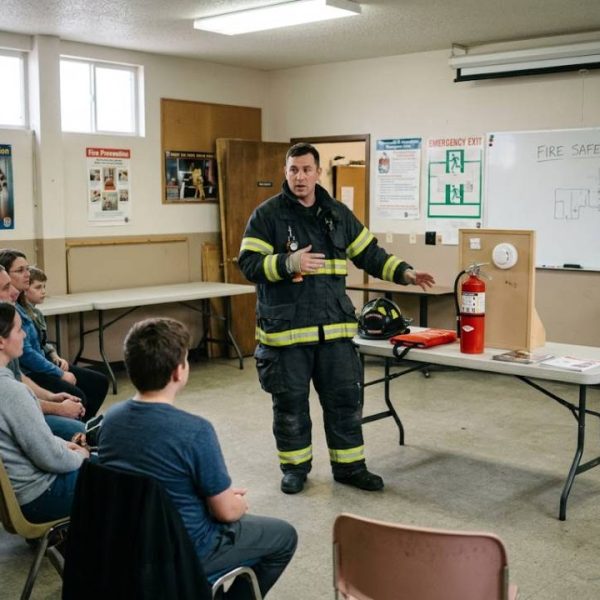
Fire Prevention at Home and Work, A Practical Safety Plan
- March 14, 2025· Article by Maria Jones
- security , fire prevention
Most fires are preventable. Faulty wiring, unattended cooking, overloaded sockets and blocked exits cause far more damage than rare, dramatic accidents. The good news is that simple habits and a clear plan can reduce the risk dramatically, both at home and in the workplace.
This guide walks through the practical steps that matter most, in an order you can follow this week.
Know where fires start
Cooking, heating, electrical faults and careless use of candles or smoking materials are among the most common causes. In workplaces, add machinery, storage of flammable materials and poor housekeeping.
A fire needs three things: heat, fuel and oxygen, and prevention means keeping them apart.
Walk through each room or work area and look for ignition sources near anything that burns, such as curtains, paper, packaging or chemicals.
Install and maintain alarms
Smoke alarms give the early warning that saves lives. Place them on every level, in hallways and near sleeping areas, and test them every month. Replace batteries when needed and the whole unit according to the manufacturer's guidance, often after about ten years.
Consider heat alarms in kitchens and carbon monoxide detectors near fuel-burning appliances. In workplaces, alarm systems should be inspected and serviced on a regular schedule.
Make escape routes safe
Know two ways out of every room where possible. Keep corridors, stairs and doors free of boxes, furniture and rubbish, and make sure exits open easily from the inside.
In shared buildings and workplaces, post clear floor plans showing exits and assembly points, and check regularly that fire doors close properly and are never propped open.
Handle electricity with care
Avoid overloading sockets and extension leads. Replace damaged cables, and do not run wires under rugs or through doorways. Use appliances as intended and switch them off when not needed.
Have fixed wiring inspected by a qualified electrician if you notice flickering lights, hot sockets or a burning smell.
Cook and heat safely
Never leave cooking unattended, keep pan handles turned inward and keep towels and packaging away from hobs. If oil in a pan ignites, do not use water, and cover it with a lid or fire blanket if it is safe to do so.
Keep heaters well away from furniture and fabrics, and have boilers and chimneys serviced regularly.
Plan and practise
A plan that nobody knows is of little use. Agree what each person will do if the alarm sounds, where everyone will meet outside, and who will call emergency services.
Practise a drill twice a year at home and as required at work. Rehearsal turns panic into routine.
Detailed guidance and public education resources are available from the National Fire Protection Association.
Make safety information understandable to everyone
Workplaces and apartment buildings often include people who speak different languages. Warning signs, evacuation instructions and training materials must be understood by everyone, or they fail when they are needed most.
Employers with Ukrainian-speaking staff, for example, can use professional Ukrainian translation services to prepare accurate safety signs and instructions.
Spoken announcements matter too. This article on audio transcription and voice-over shows how clear recorded messages can support training and emergency information.
What to do if a fire starts
Raise the alarm, get everyone out and call emergency services from a safe place. Do not stop for belongings, and do not go back inside.
Close doors behind you to slow the spread of smoke and flames. If smoke is present, stay low where the air is clearer. Use an extinguisher only if the fire is small, you have a clear exit and you have been trained.
Choose and maintain extinguishers
Different fires need different extinguishers. Learn the classes used in your area and check that each device is suitable, accessible and in date.
Inspect them regularly for pressure and damage, and make sure the people who might use them know how.
Special attention for vulnerable people
Children, older adults and people with mobility or hearing difficulties may need extra help to escape. Plan assistance in advance, consider alarms with flashing lights or vibration, and tell neighbours or colleagues who can support you.
Reduce fire risk in storage areas
Garages, basements and storerooms collect clutter, and clutter burns. Keep flammable liquids in approved containers, away from heat, and avoid stacking boxes against heaters or electrical panels.
In workplaces, keep waste bins emptied regularly and store packaging materials in designated areas, not in corridors or near machinery.
A tidy space is one of the cheapest and most effective fire safety measures there is.
After the plan, keep it alive
Review your fire plan whenever the layout, number of people or equipment changes. Add dates for alarm tests, drills and inspections to your calendar.
Fire prevention is not a one-off task but a habit. A few minutes each month can protect lives, property and peace of mind.